
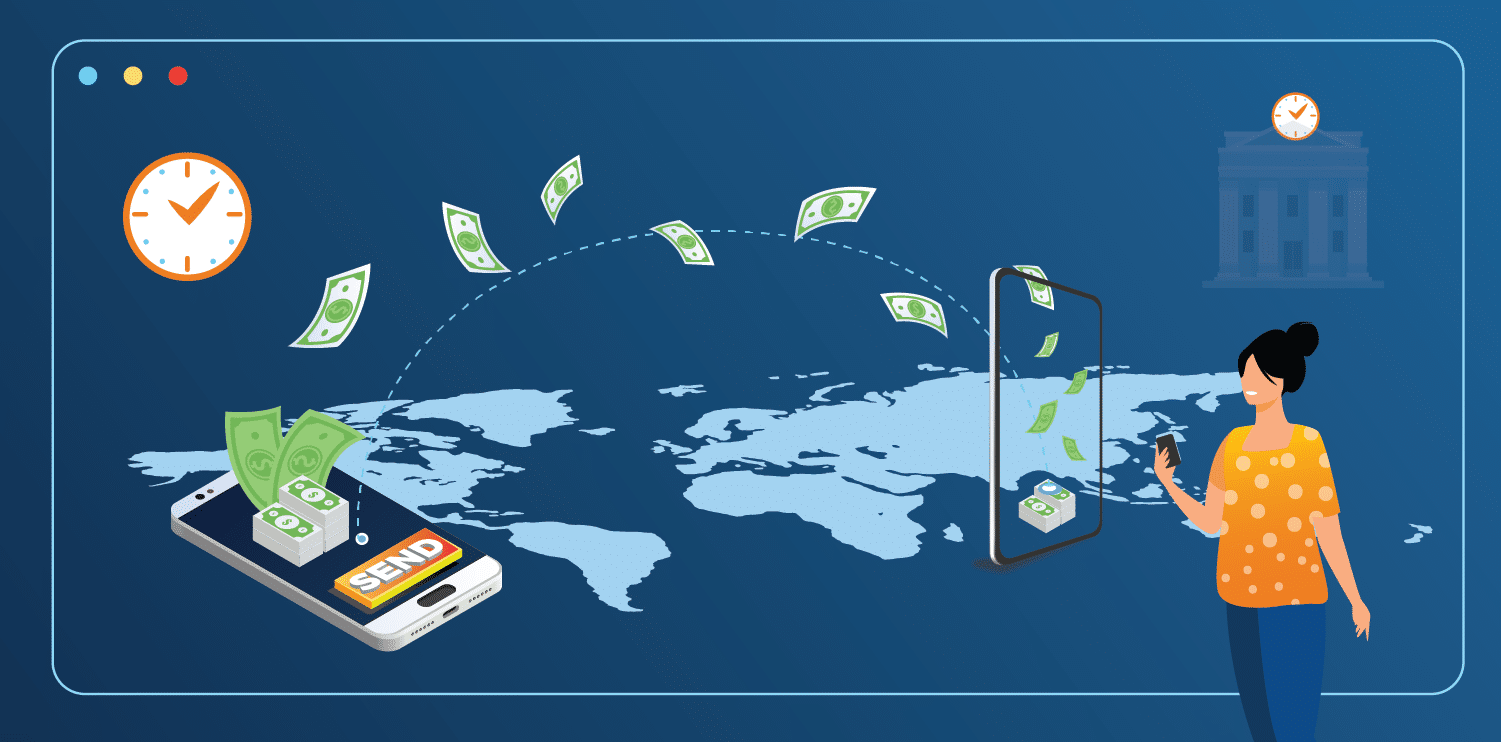
Sending money across borders requires careful planning, especially when dealing with different currencies, banking systems, and transfer processes. Whether individuals need to support family members, pay overseas suppliers, or manage international business transactions, understanding how global payments work can help avoid unnecessary delays and costs.
Choosing the right foreign exchange service, understanding exchange rates, and knowing the available transfer options are important steps to ensure smooth transactions. This guide explains the key factors involved when you need to send money to Germany and how international payment solutions make the process easier.
What Are International Payments?
International payments are financial transactions where money is transferred from one country to another. These payments are commonly used by individuals, businesses, and organisations for various purposes, including personal transfers, property purchases, supplier payments, and overseas investments.
Unlike domestic transfers, international payments involve currency conversion, international banking networks, and additional compliance checks. The process requires coordination between financial institutions in different countries to ensure that funds reach the recipient securely and efficiently.
For transactions involving Germany, understanding how currency exchange and payment providers operate can help customers make informed decisions and reduce potential challenges.
How Do International Money Transfers to Germany Work?
When transferring funds internationally, the process usually begins with selecting a payment provider and providing transaction details. These details typically include the recipient’s bank information, transfer amount, and preferred currency.
If the sender’s currency differs from the recipient’s currency, the payment provider converts the funds using an exchange rate. The converted amount is then transferred through international banking networks until it reaches the recipient’s account in Germany.
The time required for completion depends on several factors, including the payment method, compliance checks, currency availability, and banking procedures. Working with an experienced foreign exchange provider can help make international transfers more predictable and efficient.
Factors to Consider Before Sending Money Abroad
Several important factors should be evaluated before making an international payment. Understanding these elements can help individuals and businesses manage costs and improve transfer efficiency.
Exchange Rates
Currency exchange rates constantly change due to global economic conditions, market movements, and financial trends. Even small changes in rates can affect the final amount received by the beneficiary.
Monitoring exchange rate movements and selecting the right time for conversion can help customers make better financial decisions. Businesses making frequent international payments may also benefit from strategies that help manage currency fluctuations.
Transfer Fees
International transfers may involve different charges depending on the payment provider and transaction method. These can include service fees, banking charges, or currency conversion costs.
Comparing payment options and understanding the complete cost structure helps customers avoid unexpected expenses. Transparent pricing is especially important for businesses managing regular overseas transactions.
Transfer Speed
The speed of an international payment depends on the countries involved, banking systems, and verification requirements. Some transfers may be completed quickly, while others may require additional processing time.
Selecting a suitable payment option based on urgency can help ensure that funds arrive when needed.
Benefits of Using Professional Foreign Exchange Services
Professional foreign exchange providers offer specialised solutions designed to simplify international transactions. Unlike traditional banking methods, these services often provide access to currency specialists, competitive exchange rates, and flexible payment options.
For individuals, these services can make overseas transfers easier by providing guidance throughout the process. For businesses, they offer tools to manage currency exposure, plan payments, and reduce the impact of exchange rate changes.
Many customers prefer using online international payments to Germany because digital solutions provide convenience, faster access, and easier transaction management. Online platforms allow users to arrange payments, monitor transactions, and manage international currency requirements without relying only on traditional banking processes.
How Businesses Can Manage Payments to Germany
Businesses involved in international trade often need reliable payment solutions for suppliers, partners, and overseas operations. Regular currency transactions can create challenges when exchange rates fluctuate or payment deadlines become difficult to manage.
Foreign exchange services can help businesses access solutions such as:
Spot Contracts
Spot contracts allow businesses to exchange currencies immediately at the current available exchange rate. This option is useful when companies need to complete urgent international payments.
Forward Contracts
Forward contracts allow businesses to secure an exchange rate for a future transaction. This can provide greater financial planning and protection against unexpected currency movements.
Currency Risk Management
Companies working internationally can benefit from strategies designed to reduce currency-related risks. Managing exchange rate exposure helps businesses maintain better control over their international finances.
Common Challenges in International Payments
Although international transfers have become easier with modern technology, customers may still face certain challenges.
Currency Fluctuations
Changes in exchange rates can influence the final value of a payment. This is especially important for businesses making large or frequent transfers.
Regulatory Requirements
International payments must follow financial regulations, including identity verification and transaction monitoring requirements. These checks help maintain secure payment systems and prevent financial risks.
Choosing the Right Payment Provider
Selecting a reliable payment provider is essential for secure and efficient transactions. Customers should consider factors such as experience, customer support, exchange rate options, and available payment solutions.
Tips for Efficient International Payments
To make overseas transfers smoother, consider the following practices:
- Compare exchange rates before completing a transaction.
- Understand all applicable fees and charges.
- Provide accurate recipient information to avoid delays.
- Plan payments in advance when dealing with large amounts.
- Work with experienced foreign exchange specialists for guidance.
Taking these steps can help individuals and businesses improve payment efficiency while reducing potential complications.
Conclusion
Understanding the process, costs, and options available for international transfers helps customers make better decisions when managing overseas payments. From exchange rate considerations to secure transaction methods, every step plays an important role in ensuring successful transfers. Working with a trusted foreign exchange provider can simplify the process and provide valuable support when you need to send money to Germany.
For reliable global currency management and seamless overseas transactions, Sterling FX provides international payment solutions, foreign currency exchange services, travel money options, spot contracts, forward contracts, and currency risk management solutions. With experience in helping individuals and businesses manage global transactions, Sterling FX supports secure and efficient currency transfers with professional guidance and tailored payment services.


