
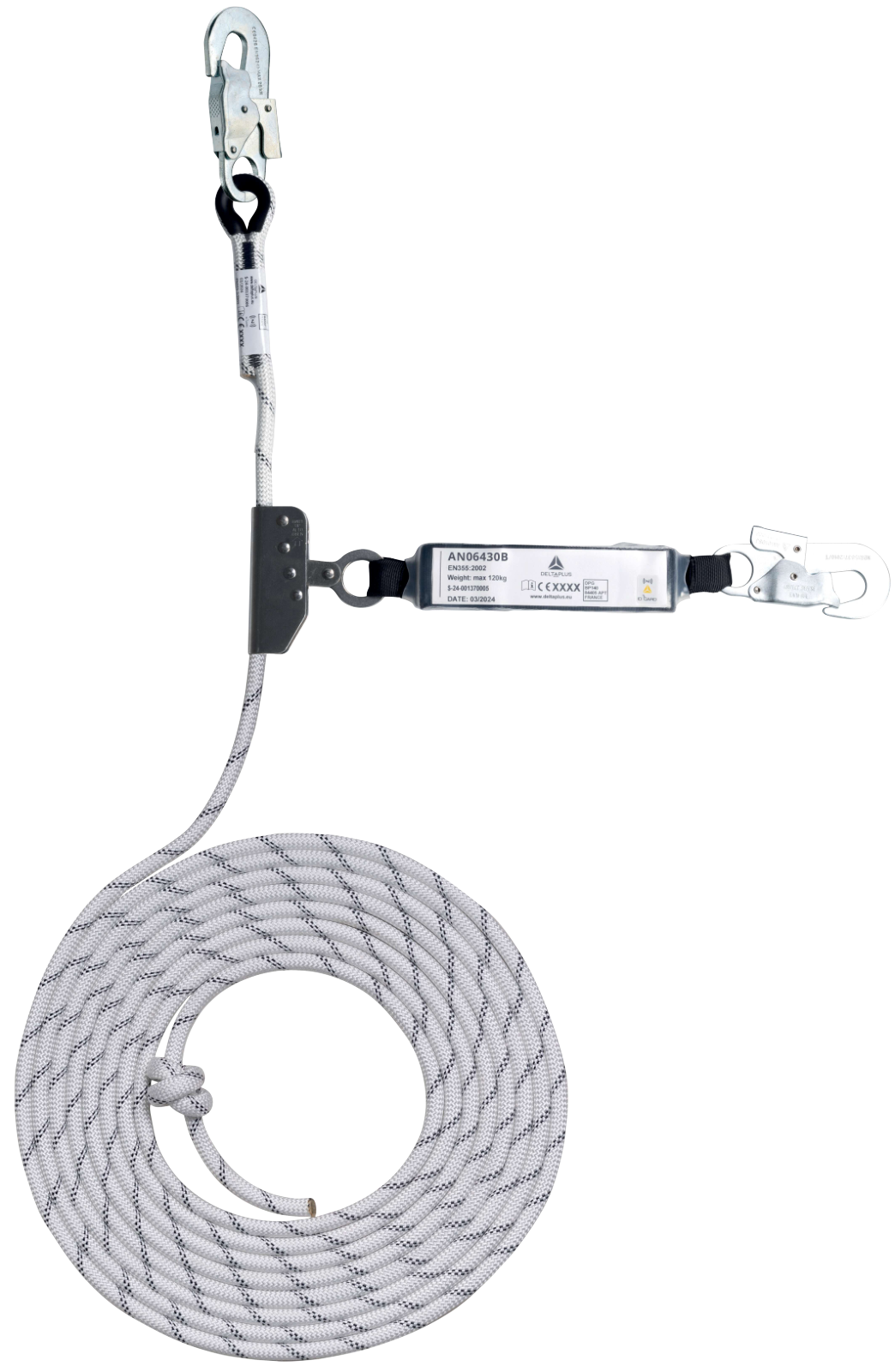
In construction, maintenance, industrial operations, and infrastructure projects, even a minor mistake can lead to severe, life-altering injuries. This makes robust safety measures absolutely essential. A safety fall arrest system stands out as one of the most effective solutions, engineered to prevent falls and reduce impact, protecting workers when every second and every step counts.
Understanding its components and proper usage is vital for workers, supervisors, and safety managers. Modern workplaces require reliable, compliant, and comfortable systems that support consistent use. A well-designed Safety fall arrest system allows workers to perform elevated tasks confidently with proven protection against potential risks.
Why Safety Fall Arrest Systems Matter
Falls from height are among the leading causes of severe injuries and fatalities across industrial job sites. Even experienced workers are vulnerable due to unexpected slips, unstable surfaces, environmental challenges, or structural limitations. A Safety fall arrest system provides a last line of defense. It is not meant to prevent a fall entirely but is designed to stop it safely before the worker hits the ground or another surface.
These systems are built with specific engineering principles that distribute force, limit impact, and support the body. When all components function together, a Safety fall arrest system significantly reduces the severity of injuries while ensuring compliance with international safety standards. Workers benefit from increased stability, and employers gain assurance that protective measures meet required regulatory expectations.
The Three Core Components of a Safety Fall Arrest System
Every Safety fall arrest system is built around three essential components: the anchor point, the body support equipment, and the connecting device. Each plays a different yet interconnected role.
1. The Anchor Point
The anchor point is the foundation of any Safety fall arrest system. It must be strong, stable, and capable of supporting the maximum force generated during a fall. Depending on the work environment, anchor points can be permanent structures, temporary fixtures, or engineered systems created specifically for tasks at height.
Common anchor types include:
- Roof and structural anchors
- Horizontal lifeline systems
- Vertical lifeline systems
- Mobile anchor devices for flexible positioning
A properly installed anchor ensures that even if a worker slips or loses balance, the point of attachment can support the load and prevent catastrophic failure. Regular inspection and maintenance are necessary to confirm that anchors remain secure and compliant.
2. Body Support Equipment
Body support equipment is what keeps the worker connected to the system. The full-body harness is the most common component of this category. It distributes fall forces across the shoulders, thighs, and pelvis to prevent concentrated pressure on one area. A high-quality full-body harness is essential in any Safety fall arrest system because it ensures comfort, mobility, and safe deceleration during a fall.
Important features of body support equipment include:
- Adjustable straps for proper fit
- Impact indicators showing signs of stress
- Padded support for long hours of work
- Multiple attachment points for various tasks
A well-fitted harness minimizes the risk of injury and ensures that the worker can function efficiently while staying protected.
3. Connecting Devices
Connecting devices bridge the gap between the anchor point and the body harness. These components regulate movement and manage the energy generated during a fall. Examples include shock-absorbing lanyards, self-retracting lifelines, and rope grabs.
In a complete Safety fall arrest system, connecting devices are engineered to:
- Limit fall distance
- Reduce force on the body
- Control the deceleration speed
- Provide flexibility for movement
Selecting the correct connecting device depends on the work environment, height level, and required mobility. Proper usage ensures that the system activates correctly during an incident.
Supplementary Components That Enhance Protection
In addition to the three main parts, several supporting components strengthen the effectiveness of a Safety fall arrest system.
These include:
- Lifelines (horizontal or vertical) for guided movement
- Rescue systems for post-fall retrieval
- Anchorage connectors for specialized structures
- Suspension relief straps to reduce pressure on the body
Together, these elements ensure that workers have reliable support before, during, and after a fall event.
Implementation and Best Practices
A Safety fall arrest system is only effective if used correctly. Here are important guidelines for proper implementation:
1. Training and Awareness
Workers must be trained on system components, inspection protocols, and correct attachment methods. Training ensures that every user understands how the Safety fall arrest system functions and how to react in emergencies.
2. Pre-Use Inspection
Before use, every component should be visually checked for wear, damage, corrosion, or malfunction. If any part of the Safety fall arrest system appears compromised, it must be removed from service immediately.
3. Proper Fit and Adjustment
The harness must fit snugly but comfortably. Loose straps or incorrect adjustments can compromise safety during a fall event.
4. Routine Maintenance
Scheduled maintenance ensures long-term durability of anchors, lifelines, and connectors. This keeps the entire Safety fall arrest system fully operational.
5. Compatibility Check
All components used together must be compatible. Mismatched parts from different sources can create weak points and increase risk.
Creating a Safety-First Work Culture
A Safety fall arrest system is not just equipment. It is a mindset embedded in workplace culture. When employers emphasize fall protection, workers are more likely to follow protocols, use their equipment correctly, and remain alert to hazards. Regular safety audits, practice drills, and open communication about risks further reinforce a safe working environment.
Encouraging workers to report issues, participate in safety planning, and follow best practices ensures that the fall arrest system is not only compliant but also effective.
Conclusion
Working at heights carries serious risks, but the right approach and equipment can keep workers safe. A well-designed Safety fall arrest system enhances protection, confidence, and reliability across industries. By understanding key components, following correct procedures, and maintaining equipment regularly, workplaces can greatly reduce injuries. Effective fall protection depends on informed decisions, proper training, and a strong commitment to safety.
Choosing a reliable Safety fall arrest system is essential for protecting workers at height. Delta Plus provides advanced, compliant, and user-focused safety solutions designed for diverse industries. With expertise in fall protection, innovative product engineering, and dependable global support, Delta Plus helps organizations create safer, more efficient worksites while meeting strict safety standards.