
Mushroom Farming: From Nutrition to Income, A Sustainable Opportunity
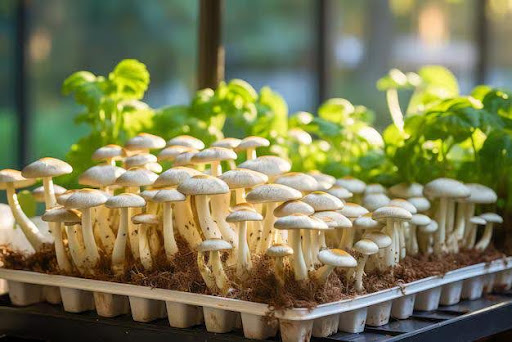
Mushroom farming has emerged as a remarkable agribusiness opportunity in India, combining nutrition, income, and sustainability. Unlike traditional crops, mushrooms require minimal land, low initial investment, and offer rapid growth cycles, making them an ideal choice for small-scale and marginal farmers. With the rising health consciousness among consumers, mushroom farming is no longer just a hobby, it is a strategic path to nutritious food production and economic empowerment.
Why Mushrooms Are a Game-Changer
Mushrooms are nutrient-dense, rich in protein, vitamins, and minerals, yet low in calories and fat. They provide B vitamins like riboflavin and niacin for energy metabolism, minerals like selenium and copper for antioxidant support, and ergothioneine, a natural antioxidant that protects cells. This makes them great for immunity, heart health, healthy aging, and weight management.
Agriculturally, mushrooms grow fast and sustainably, thriving on waste like straw, sawdust, and other residues. This not only reduces waste but also makes farming efficient on limited land, offering a valuable, eco-friendly crop.
Market Demand for Mushrooms
The demand for mushrooms globally is on a steep rise, driven by health-conscious consumers, the expansion of urban markets, and the increasing popularity of gourmet and vegetarian diets. Urban households, restaurants, and processed food companies all seek high-quality mushrooms, creating a lucrative and expanding market. Varieties such as Oyster mushrooms, Button mushrooms, Milky mushrooms, and Shiitake mushrooms cater to different culinary preferences, offering versatility to farmers and businesses alike.
Moreover, mushrooms are adaptable to controlled environment farming, allowing year-round production irrespective of seasonal constraints. This predictability in supply makes mushroom cultivation an attractive option for investors and small-scale entrepreneurs looking to ensure steady income streams.
Nutritional Powerhouse: Health Benefits of Mushrooms
Mushrooms are much more than a flavorful addition to meals, they are a true superfood. Packed with essential nutrients and bioactive compounds, they provide numerous health benefits:
- Rich in Protein and Low in Calories: Mushrooms provide plant-based protein with minimal fat and calories, supporting weight management and energy balance.
- Vitamins for Vitality: High in B vitamins (riboflavin, niacin, pantothenic acid) for energy and brain health; some varieties offer vitamin D for bones and immunity.
- Minerals for Wellness: Contain selenium, potassium, and copper, supporting antioxidant defense, heart health, and blood pressure regulation.
- Antioxidants and Immune Support: Ergothioneine and beta-glucans boost immunity and protect cells from oxidative stress.
- Gut Health: Dietary fiber and prebiotics aid digestion and promote healthy gut bacteria.
- Disease Prevention: Regular intake may lower risks of heart disease, diabetes, and certain cancers.
- Weight Management: Low-calorie, high-volume mushrooms increase satiety, helping control calorie intake.
Economic Potential of Mushroom Farming
One of the most compelling reasons to pursue mushroom cultivation is its economic viability. Unlike conventional crops, mushrooms have a short growth cycle, with harvests possible within 3–6 weeks depending on the variety. This rapid turnover allows farmers to grow multiple cycles in a year, maximizing revenue from small land parcels.
Mushrooms also command premium prices in urban markets, particularly fresh varieties, organic mushrooms, or exotic strains like Shiitake and Reishi. For smallholders, even a modest investment in substrate, spawn, and controlled growing space can yield substantial returns. Beyond direct sales, value-added products like dried mushrooms, powders, mushroom-based snacks, and supplements offer additional revenue avenues, further enhancing profitability.
Popular Mushroom Varieties for Cultivation
Mushrooms come in a variety of species, each with unique growth characteristics, flavors, and nutritional benefits. Choosing the right type depends on factors like climate, available substrate, and market demand. Some widely cultivated varieties include:
- Oyster Mushrooms (Pleurotus spp.): Easy to grow on straw, sawdust, or waste, fast-growing with high yields.
- Button Mushrooms (Agaricus bisporus): Versatile for salads and cooked dishes; needs controlled conditions but has strong market demand.
- Milky Mushrooms (Calocybe indica): Firm, long shelf life, suited to warmer conditions; ideal for commercial cultivation.
- Paddy Straw Mushrooms (Volvariella volvacea): Grows well on straw in humid conditions; mild flavor and easy to cultivate.
Steps to Start a Mushroom Farming Venture
- Selecting the Mushroom Variety: Choose a species based on climate, substrate availability, and market demand.
- Preparing the Substrate: Sterilize straw, sawdust, or other agricultural waste to create a clean growing medium.
- Inoculation: Introduce mushroom spawn into the substrate under controlled conditions to initiate growth.
- Maintaining the Growing Environment: Monitor temperature, humidity, light, and ventilation to ensure optimal development.
- Harvesting: Mushrooms typically mature within a few weeks. Timely harvesting preserves quality and maximizes yield.
- Marketing and Distribution: Fresh mushrooms, processed products, and value-added items can be sold to households, restaurants, or retailers.
Sustainability and Environmental Benefits
Mushroom cultivation is inherently eco-friendly. By utilizing agricultural residues, it minimizes waste while reducing pressure on arable land. Mushrooms require significantly less water than traditional crops and can be grown indoors, reducing dependency on unpredictable weather conditions. Additionally, leftover substrate can be composted or converted into organic fertilizers, completing a zero-waste cycle that benefits both farmers and the environment.
Empowering Communities
Mushroom farming supports inclusive economic development. Women-led self-help groups, tribal communities, and rural youth can participate with minimal investment, generating income alongside household activities. Training programs and support from organizations enable marginalized groups to build sustainable livelihoods, contributing to local food security and rural prosperity.
Furthermore, mushroom cultivation encourages entrepreneurship. With proper knowledge and market linkages, farmers can scale operations, diversify product offerings, and explore new income streams. Modern cultivation techniques, IoT monitoring, and modular growing systems allow predictable yields and reduce labor dependency, transforming mushroom farming into a professional and scalable enterprise.
Conclusion
Mushroom farming is a low-land, high-return, and environmentally sustainable agricultural venture. From providing essential nutrition to generating steady income, mushrooms are a versatile crop with immense potential. They empower small-scale farmers, support women and marginalized communities, and contribute to circular bioeconomy practices by utilizing agricultural waste efficiently.
For those interested in professional guidance and support, Mushroom Nursery India Pvt Ltd offers a complete ecosystem for mushroom cultivation. Based in Pune, they integrate research, cultivation, training, processing, and retail, helping farmers and entrepreneurs grow sustainable mushroom businesses. Their solutions ensure proper handling, high yields, and efficient methods for storing mushrooms, making it easier to maintain quality from farm to market.
