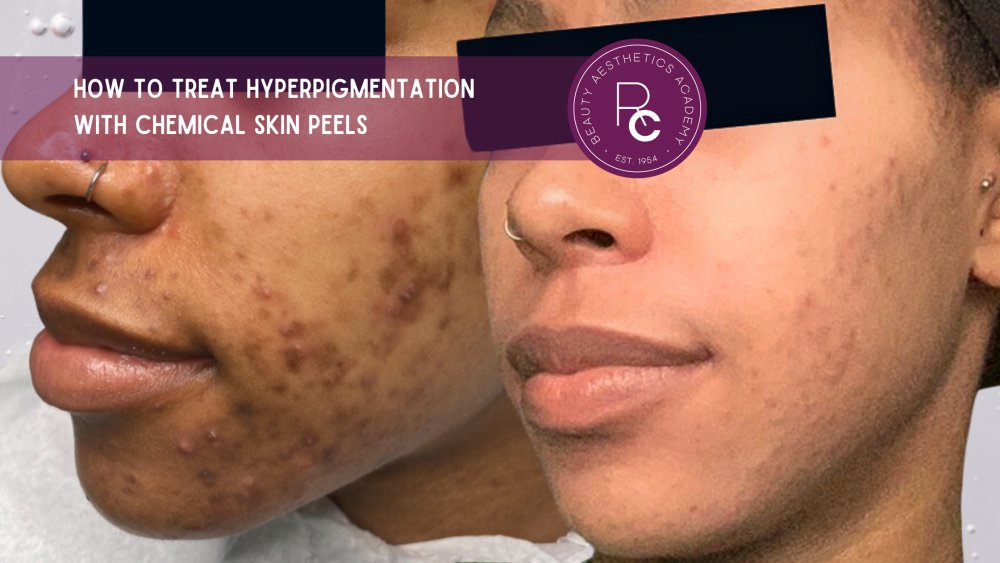
For hyperpigmentation, the number of chemical peels needed varies. Typically, a series of 3-6 peels is recommended for optimal results. The frequency of treatments depends on the severity of the hyperpigmentation and your skin’s response. Before determining how many chemical peels you need for hyperpigmentation, consult with a skincare professional for a personalized treatment plan. Achieving clearer, more even-toned skin is possible with the right approach. Let’s delve deeper into the effectiveness of chemical peels for hyperpigmentation.

How Many Chemical Peels Do I Need for Hyperpigmentation
Understanding Hyperpigmentation
Hyperpigmentation is a common skin condition that causes darkening of certain areas of the skin. It can be caused by various factors such as sun exposure, hormonal changes, inflammation, or skin injuries. One popular treatment option for hyperpigmentation is chemical peels.
What Are Chemical Peels?
Chemical peels are skincare treatments that involve applying a chemical solution to the skin to exfoliate and eventually peel off, revealing new, smoother skin underneath. These peels can help improve the appearance of skin issues like hyperpigmentation, acne scars, and uneven skin tone.
Types of Chemical Peels
There are different types of chemical peels available, ranging from superficial peels to deep peels. Superficial peels are mild and require little downtime, while deep peels penetrate deeper into the skin and may require more downtime for recovery.
How Many Chemical Peels Do I Need?
The number of chemical peels needed to treat hyperpigmentation can vary depending on the severity of the condition, the type of peel used, and individual skin characteristics. In general, a series of chemical peels is usually recommended to achieve the best results.
Initial Consultation
Before starting a series of chemical peels for hyperpigmentation, it is essential to have an initial consultation with a skincare professional. During this consultation, your skin will be assessed, and a personalized treatment plan will be recommended based on your specific needs.
Treatment Plan
Your treatment plan may involve multiple sessions of chemical peels spaced out over several weeks or months. The number of peels needed can range from 3 to 6 sessions, depending on how your skin responds to the treatment.
Monitoring Progress
Throughout the treatment process, your skincare professional will monitor the progress of your skin and make adjustments to the treatment plan if necessary. It is essential to follow the recommended schedule and post-peel care instructions to optimize results.
Factors Affecting Treatment Outcome
Several factors can influence the outcome of chemical peel treatments for hyperpigmentation. These include:
Skin Type
Different skin types react differently to chemical peels. Individuals with darker skin tones may be more prone to pigmentation changes, so special care must be taken when performing chemical peels on such skin types.
Severity of Hyperpigmentation
The severity of your hyperpigmentation will also play a role in determining the number of chemical peels needed. Mild cases may require fewer sessions, while more stubborn hyperpigmentation may need additional treatments.
Post-Treatment Care
Proper post-treatment care is crucial for optimizing the results of chemical peels. This includes protecting your skin from the sun, following a personalized skincare routine, and avoiding harsh products that can irritate the skin.
In conclusion, the number of chemical peels needed for hyperpigmentation can vary depending on individual factors. It is essential to consult with a skincare professional to determine the most suitable treatment plan for your skin. By following the recommended treatment schedule and post-peel care instructions, you can achieve brighter, more even-toned skin over time. Remember, consistency is key when it comes to skincare treatments like chemical peels, so be patient and trust the process for the best results!
How Many Chemical Peels Do I Need For Hyperpigmentation? – Skin Savvy Dermatology
Frequently Asked Questions
How many chemical peel sessions are typically needed to address hyperpigmentation?
The number of chemical peel sessions required to treat hyperpigmentation varies depending on the severity of your condition. In general, a series of 3 to 6 sessions spaced 2 to 4 weeks apart is recommended for optimal results. However, your dermatologist will assess your skin and customize a treatment plan based on your specific needs.
Can I see results after just one chemical peel treatment for hyperpigmentation?
While some individuals may notice improvement in their hyperpigmentation after a single chemical peel session, it usually takes multiple treatments to achieve significant and long-lasting results. Consistency with the recommended treatment plan and adequate post-peel care are key factors in achieving the desired outcome.
Is it possible to overdo chemical peels for hyperpigmentation?
Yes, it is possible to overdo chemical peels for hyperpigmentation, leading to adverse effects such as irritation, redness, and increased sensitivity. It is important to follow the guidance of your dermatologist regarding the frequency and intensity of chemical peel sessions to avoid damaging your skin. More does not necessarily mean better when it comes to chemical peels.
Final Thoughts
In conclusion, the number of chemical peels needed for hyperpigmentation varies based on individual skin types. It is essential to consult with a dermatologist to determine the appropriate treatment plan. Typically, a series of 3-6 chemical peels spaced 2-4 weeks apart may be recommended for satisfactory results in treating hyperpigmentation. Consistency and patience are key when undergoing chemical peel treatments for hyperpigmentation. Remember, the effectiveness of the treatment may also depend on the severity of the hyperpigmentation and the type of chemical peel used.