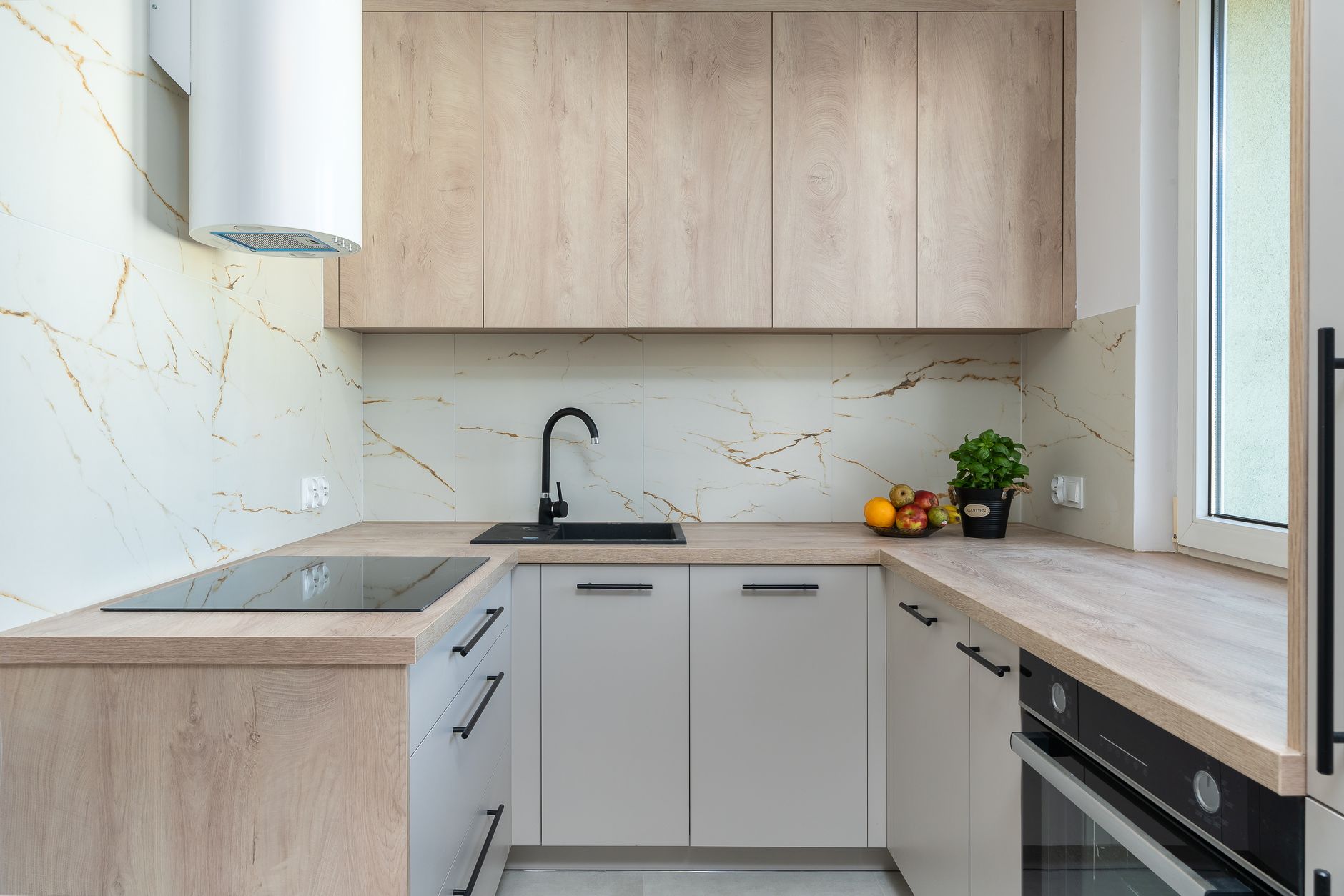
Medium-Density Fibreboard, commonly referred to as MDF, has become a go-to material for many interior design and construction projects. Its durability, affordability, and versatility make it an ideal choice for builders, designers, and homeowners alike. mdf wood offers the appearance and usability of traditional wood while being more consistent and budget-friendly, making it a practical solution for a wide variety of interior applications.
What Makes MDF a Popular Choice
MDF is manufactured by combining wood fibres with resin and compressing them under high pressure and temperature. The result is a dense, smooth board that is free of knots, warping, and grain inconsistencies typically found in natural wood. This uniform composition allows for precise cutting, shaping, and finishing, which is essential in creating clean, professional-looking results.
Its smooth surface and even texture make it ideal for projects that require painting or veneering. Unlike plywood or solid wood, MDF does not have a grain, so it provides a flawless base for finishes and decorative coatings. Whether used in cabinetry, shelving, or wall panelling, MDF delivers a polished appearance with minimal effort.
A Durable Solution for Everyday Use
Despite being more affordable than solid wood, MDF offers excellent durability. It is dense and strong, capable of withstanding the demands of daily use when properly sealed and finished. When used in furniture, built-ins, or decorative trim, MDF maintains its shape and structure over time, provided it is protected from moisture.
In dry, indoor environments, MDF performs exceptionally well. It resists warping, shrinking, and splitting, making it reliable for a range of household installations. It’s especially useful in areas such as bedrooms, living rooms, and home offices, where temperature and humidity levels are relatively stable.
For added durability, MDF can be treated with water-resistant coatings or laminated with protective surfaces, expanding its use in more demanding areas like kitchens and utility rooms.
Cost-Effective Without Compromising Quality
One of the key advantages of MDF is its affordability. Compared to hardwood or high-grade plywood, MDF is significantly less expensive, which allows designers and builders to work within tighter budgets without sacrificing quality or aesthetics. It offers the look and finish of more costly materials when painted or veneered, making it a popular substitute in both residential and commercial interiors.
Because MDF is available in a wide range of sizes and thicknesses, it also helps reduce waste. Sheets can be ordered cut to size, ensuring material is used efficiently and cost-effectively. This precision cuts down on labour time and simplifies the installation process, saving money on both materials and workmanship.
Suitable for Various Interior Applications
MDF is incredibly versatile and suitable for a broad range of interior projects. It can be used to create kitchen cabinets, closet shelving, bookcases, entertainment units, and more. In addition to furniture, it is frequently used for wall cladding, door panels, and mouldings, thanks to its ease of cutting and shaping.
The material is also widely used in custom joinery and decorative elements. Intricate patterns, grooves, and profiles can be easily carved into MDF, offering design flexibility that would be more challenging and costly with solid wood.
Conclusion
MDF wood is a smart, durable, and cost-effective material for interior projects of all sizes. It provides strength, workability, and a smooth surface that takes well to finishes, all at a fraction of the cost of traditional wood. Whether for functional furniture or decorative features, MDF is a practical choice that delivers consistent results and long-lasting performance.