
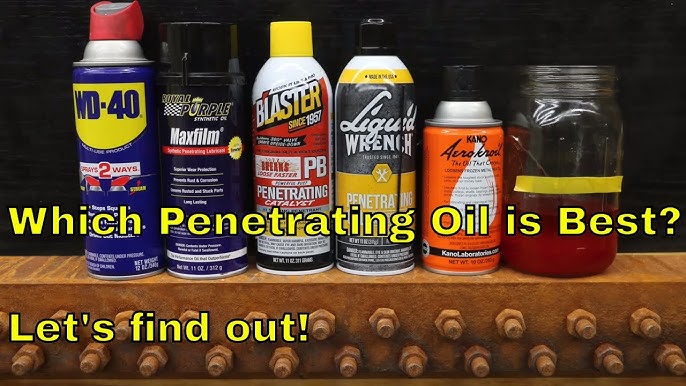
Dealing with stuck bolts and fasteners is one of the most common frustrations in mechanical work, plumbing repairs, automotive maintenance, and even home improvement projects. Over time, exposure to moisture, heat, dirt, and oxidation causes metal components to seize tightly, making removal difficult and sometimes damaging. This is where a penetrating oil spray becomes an essential tool.
Understanding how to use penetrating oil spray correctly can save time, reduce effort, and prevent damage to tools and materials. This guide walks you through the process step by step while also explaining why it works and how to get the best results.
What Causes Bolts and Fasteners to Get Stuck
Before using any solution, it helps to understand the root cause of the problem. Fasteners become stuck primarily due to corrosion, debris buildup, or thermal expansion.
Rust is the most common culprit. When metal reacts with oxygen and moisture, it forms iron oxide, which expands and binds surfaces together. Dirt, grease, and grime can also harden over time, effectively locking threads in place. In high temperature environments, repeated heating and cooling cycles cause expansion and contraction, tightening the grip even further.
This combination creates a bond that ordinary force alone cannot easily break.
What Is Penetrating Oil Spray and How It Works
A penetrating oil spray is a specially formulated lubricant designed to seep into tight spaces and break down rust and corrosion. Unlike standard lubricants, it has low viscosity, allowing it to travel deep into threads and microscopic gaps.
Once applied, the oil works in several ways. It loosens rust by disrupting its structure, reduces friction between metal surfaces, and creates a thin protective layer that makes movement easier. When people search for the best penetrating oil for rust, they are essentially looking for a formula that can quickly penetrate and effectively dissolve corrosion while providing lubrication.
Tools and Materials You Will Need
Before starting, gather everything required to make the process smooth and safe.
You will need a penetrating oil spray, a wrench or socket set, a wire brush, clean cloths, safety gloves, and eye protection. In some cases, a hammer or heat source may be useful for particularly stubborn fasteners.
Preparation is key to achieving optimal results.
Step by Step Guide to Using Penetrating Oil Spray
Step 1: Clean the Surface Area
Start by removing as much dirt, grease, and loose rust as possible. Use a wire brush to scrub around the bolt or fastener. This step allows the penetrating oil spray to reach the threads more effectively instead of being blocked by debris.
Wipe the area with a clean cloth to ensure a clear surface.
Step 2: Apply the Penetrating Oil Spray Generously
Shake the can well and spray directly onto the fastener. Focus on the base where the threads are located. Apply enough to fully coat the area without oversaturating.
Make sure the oil reaches all sides of the fastener. Precision during application significantly improves performance.
Step 3: Allow Time for Penetration
Patience is critical. Let the oil sit for at least ten to fifteen minutes. For heavily rusted components, you may need to wait several hours or even overnight.
During this time, the oil penetrates deep into the threads and begins breaking down corrosion. Rushing this step often leads to frustration and ineffective results.
Step 4: Tap the Fastener Lightly
Using a hammer, gently tap the bolt or nut. This helps the oil move deeper into the threads and can also break up rust bonds.
Be careful not to apply excessive force, as this may damage the fastener or surrounding components.
Step 5: Attempt to Loosen the Fastener
Use a properly sized wrench or socket to turn the fastener. Apply steady pressure rather than sudden force. If it does not budge, avoid forcing it.
Instead, try tightening it slightly before loosening. This small movement can help break the bond and allow the oil to work more effectively.
Step 6: Reapply If Necessary
If the fastener remains stuck, apply more penetrating oil spray and repeat the process. Some situations require multiple applications to achieve full penetration.
Consistency and patience often yield the best outcomes.
Advanced Techniques for Stubborn Fasteners
Sometimes, even the best penetrating oil for rust needs a little assistance. Here are a few advanced methods to improve effectiveness.
Heat application can expand the metal slightly, breaking the rust bond. After heating, applying the oil as the metal cools can draw it deeper into the threads.
Using a breaker bar can provide additional leverage, making it easier to turn tight fasteners. However, this should be done carefully to avoid snapping the bolt.
In extreme cases, alternating between tightening and loosening motions can gradually free the fastener.
Common Mistakes to Avoid
Many people misuse penetrating oil spray, leading to poor results. Avoid these common errors to improve success rates.
Do not skip cleaning the surface. Dirt and rust buildup can prevent the oil from penetrating effectively.
Avoid applying too little oil. Insufficient coverage limits its ability to reach deep threads.
Do not rush the process. Allowing adequate time for penetration is essential.
Never use excessive force too early. This can strip threads or break the fastener entirely.
Safety Tips When Using Penetrating Oil Spray
While penetrating oils are highly effective, they should be used with care.
Always work in a well ventilated area to avoid inhaling fumes. Wear gloves to protect your skin and safety glasses to shield your eyes from splashes.
Keep the spray away from open flames, especially if you plan to use heat as part of the process.
Proper handling ensures both safety and effectiveness.
How to Choose the Right Penetrating Oil
Not all penetrating oils perform the same. When selecting the best penetrating oil for rust, consider factors such as viscosity, penetration speed, and corrosion breaking ability.
Look for formulations designed specifically for heavy duty applications if you are dealing with severe rust. For lighter tasks, a general purpose penetrating oil spray may be sufficient.
Reading user feedback and testing in small applications can help determine which option works best for your needs.
Maintenance Tips to Prevent Future Seizing
Prevention is always better than repair. After successfully removing a stuck fastener, take steps to prevent the issue from recurring.
Apply a light coating of lubricant or anti seize compound before reassembling. This creates a barrier against moisture and corrosion.
Regular maintenance checks can identify early signs of rust, allowing you to address them before they become serious problems.
Keeping equipment clean and dry also goes a long way in preventing seizing.
Applications Across Different Industries
Penetrating oil spray is widely used across various fields. In automotive maintenance, it helps loosen rusted bolts in engines, exhaust systems, and suspension components.
In plumbing, it is useful for freeing stuck pipe fittings and valves. Industrial settings rely on it for maintaining machinery and equipment exposed to harsh conditions.
Even in household repairs, it proves invaluable for fixing squeaky hinges, stuck screws, and outdoor fixtures.
Its versatility makes it a must have tool for professionals and DIY enthusiasts alike.
Why Proper Technique Matters
Using penetrating oil spray effectively is not just about applying it and hoping for the best. Technique plays a significant role in achieving results.
Cleaning the surface, applying the right amount, allowing sufficient time, and using controlled force all contribute to success. Skipping any of these steps can reduce effectiveness and lead to unnecessary complications.
By following a structured approach, you can handle even the most stubborn fasteners with confidence.
Stuck bolts and fasteners can turn simple tasks into frustrating challenges, but the right approach makes all the difference. A penetrating oil spray is a powerful solution when used correctly, offering the ability to break down rust, reduce friction, and restore movement to seized components.
From proper preparation to advanced techniques, every step plays a role in ensuring success. Whether you are working on a vehicle, repairing plumbing, or tackling a home improvement project, mastering this method can save time, effort, and potential damage.
Choosing the best penetrating oil for rust and applying it with patience and precision transforms a difficult problem into a manageable task. With the knowledge gained from this guide, you are well equipped to handle stubborn fasteners efficiently and safely.