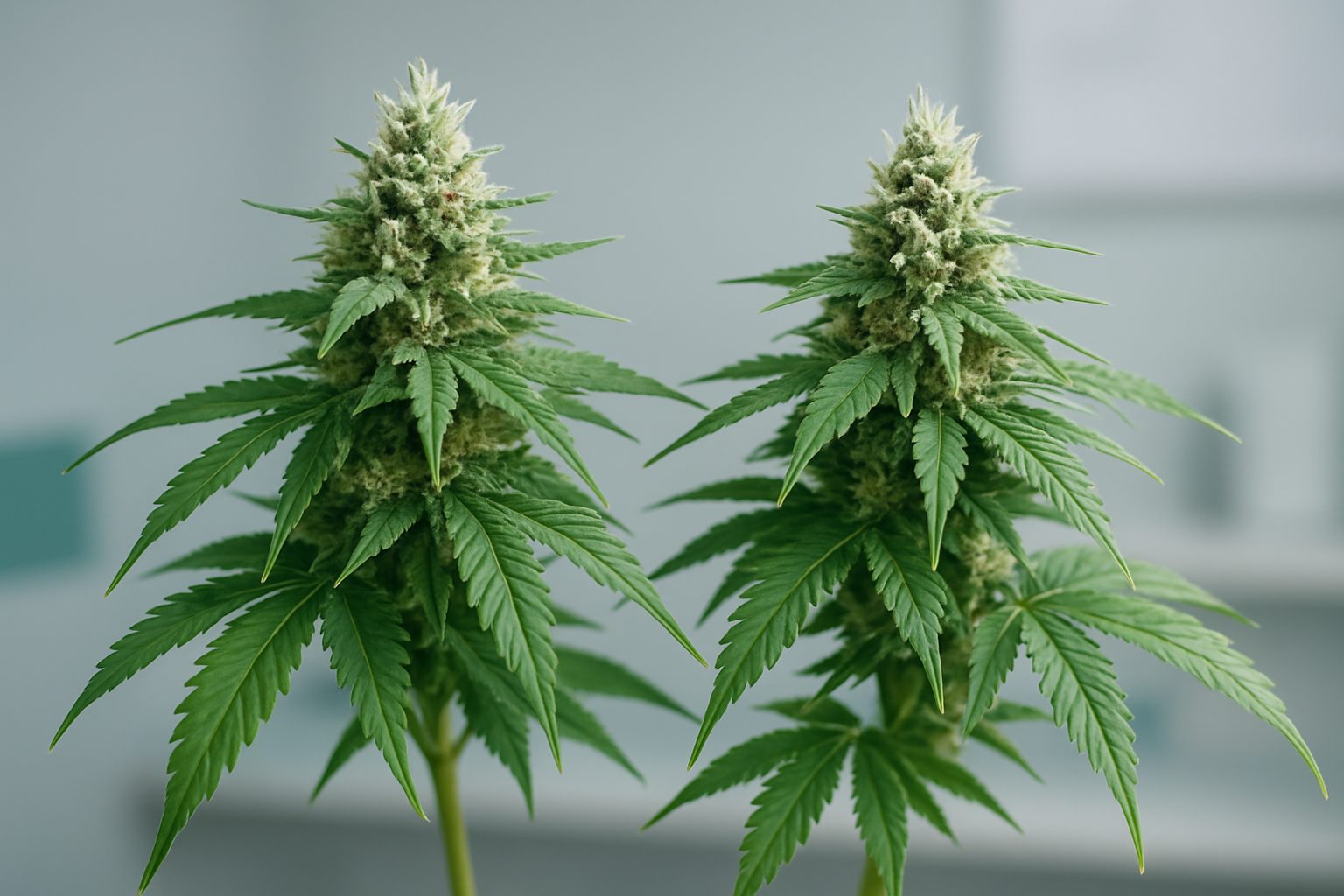
What makes cannabis varieties feel different from one another? One of the most common ways consumers explore these differences is through Indica vs sativa, two traditional categories often used to describe cannabis characteristics. While modern cannabis science recognizes that genetics, cannabinoids, terpenes, cultivation methods, and individual response all influence the experience, indica and sativa labels remain useful starting points. Understanding these distinctions can make product selection more informed and easier to navigate.
Contents
- What Is Indica Generally Associated With?
- How Is Sativa Traditionally Described?
- Which Characteristics Create the Biggest Difference?
- Does Indica Always Mean Relaxing?
- Does Sativa Always Feel Energizing?
- Why Are Hybrid Varieties So Popular?
- What Should Consumers Look For Besides the Label?
- How Can Consumers Make a More Informed Choice?
- Conclusion
What Is Indica Generally Associated With?
Indica varieties are traditionally associated with plants that grow shorter and bushier, often featuring broader leaves and a compact structure. In consumer discussions, indica products are commonly connected with relaxing and calming experiences.
From a product-selection perspective, people often explore indica-dominant options when they want a more laid-back cannabis experience. The appeal is frequently linked to evening use, relaxation, or simply enjoying a slower-paced moment.
How Is Sativa Traditionally Described?
Sativa varieties are generally recognized by their taller growth patterns, narrower leaves, and longer flowering characteristics. They have traditionally been associated with experiences that consumers describe as lively, uplifting, or mentally engaging.
Sativa-dominant products can therefore appeal to people looking for a brighter experience during daytime or social activities. However, the actual experience can vary considerably between individual products because cannabis chemistry is more complex than the plant category alone.
Which Characteristics Create the Biggest Difference?
The most useful distinction goes beyond appearance. Cannabinoid concentration and terpene composition can play an important role in how a particular product is experienced.
For example, two products carrying the same broad classification may have noticeably different aromatic profiles and effects. Terpenes such as myrcene, limonene, pinene, and caryophyllene contribute to cannabis aroma and may also influence the overall character of a product.
This means consumers can benefit from looking at the complete product profile instead of relying exclusively on the indica or sativa label.
Does Indica Always Mean Relaxing?
Not necessarily. Indica is traditionally associated with relaxation, but the experience is not determined by the label alone. THC concentration, CBD content, terpene profile, dosage, tolerance, and personal biology can all contribute to the final experience.
This is why product descriptions and laboratory information can provide additional context when available. The traditional category can be a useful reference point while the full cannabinoid and terpene profile offers greater detail.
Does Sativa Always Feel Energizing?
Sativa is often described as uplifting and stimulating, but individual experiences can differ. A product’s chemical profile may have a greater practical influence than its traditional classification.
Consumers interested in a more energetic or clear-headed experience may therefore consider sativa-dominant products alongside their cannabinoid and terpene information. Paying attention to these details can create a more personalized approach to cannabis selection.
Why Are Hybrid Varieties So Popular?
Hybrid varieties combine genetic characteristics from different cannabis lineages. Their popularity reflects the wide range of experiences and flavor profiles available in modern cannabis.
Hybrid products can offer balanced characteristics or lean toward either traditional indica or sativa traits. This flexibility gives consumers more choices when they want something between the two classic categories.
What Should Consumers Look For Besides the Label?
A broader product profile can make comparisons more meaningful. Key details may include THC and CBD levels, terpene information, product format, cultivation characteristics, and recommended serving information.
Research into cannabis chemistry continues to show that the plant is highly diverse. As a result, focusing on several measurable characteristics rather than a single category can provide a clearer understanding of what a product offers.
How Can Consumers Make a More Informed Choice?
Start by identifying the type of experience you prefer, then examine the product’s available cannabinoid and terpene information. Comparing these details across products can help create a more personalized selection process.
For consumers exploring products through Kush Station, understanding these fundamental differences can make browsing easier and more informative. The goal is to recognize that every cannabis product has its own profile and characteristics.
Conclusion
Indica and sativa remain familiar categories for understanding cannabis, but today’s product landscape offers much more detail than these two labels alone. Indica is traditionally associated with relaxing characteristics, while sativa is commonly linked with uplifting experiences. Hybrids provide additional variety by combining traits from different lineages. By considering cannabinoids, terpenes, product format, and individual preferences together, consumers can develop a more informed and personalized approach to exploring cannabis products.