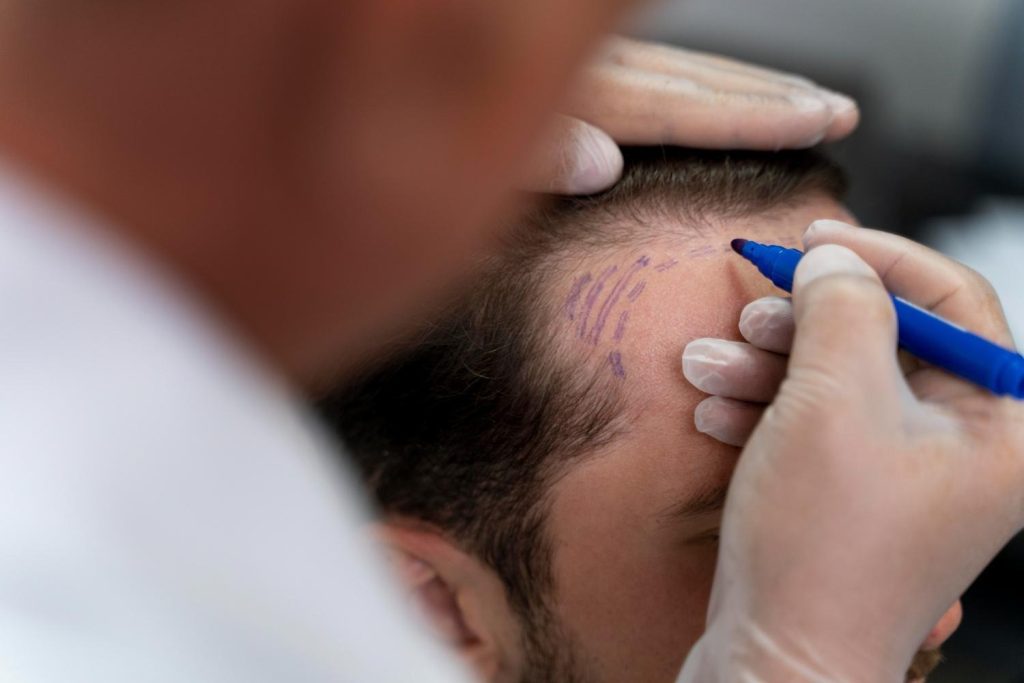
Hair restoration has become a preferred solution for people who want a lasting answer to thinning hair or pattern baldness. Modern procedures focus on preserving healthy follicles while creating natural hairlines that blend with existing growth. As techniques continue to improve, patients now expect predictable outcomes, shorter recovery periods, along with personalized treatment planning that matches their level of hair loss.
Many individuals researching hair transplant cost in Dubai quickly realize that pricing varies because every case is unique. The number of grafts required, the chosen surgical technique, donor hair quality, surgeon expertise, facility standards, and post-procedure care all contribute to the overall investment. Understanding these factors helps patients compare treatment options based on value rather than price alone.
What Determines the Overall Procedure Cost?
Several clinical elements influence the total treatment expense. Hair transplantation is never a one-size-fits-all procedure because every scalp presents different requirements. During consultation, specialists evaluate the extent of hair loss, donor availability, scalp condition, and long-term restoration goals before preparing an individualized treatment plan.
Beyond the procedure itself, additional services may be included depending on the clinic. Diagnostic assessments, surgical planning, anesthesia, follow-up appointments, medications, and recovery guidance can all affect the final quotation. Looking at the complete treatment package provides a clearer picture than comparing numbers alone.
Number of Grafts Required
The amount of donor follicles needed is one of the largest cost factors. Small hairline corrections require significantly fewer grafts than advanced restoration for widespread thinning. Careful graft planning also helps preserve donor reserves for any future procedures.
Choice of Surgical Technique
Different transplantation methods involve varying levels of planning, precision, and surgical execution. Advanced follicular extraction approaches emphasize minimal scarring, accurate placement, and improved healing, which may influence treatment pricing while enhancing overall outcomes.
Experience of the Medical Team
A highly trained surgical team contributes to consistent graft handling, natural density distribution, and careful implantation angles. Their expertise often affects procedural planning as well as the quality of long-term cosmetic results.
Why Individual Assessment Matters Before Quotation
No responsible clinic can accurately estimate treatment expenses without first examining the patient’s scalp. Hair density, donor strength, existing hair pattern, medical history, and future hair loss progression all influence the treatment strategy. Personalized planning reduces unnecessary procedures while helping achieve balanced coverage.
Patients also benefit from realistic expectations during consultation. Specialists explain how many sessions may be appropriate, anticipated growth timelines, and maintenance recommendations. This discussion creates transparency before any treatment decisions are made and allows patients to understand the reasoning behind the proposed plan.
Key points commonly evaluated during consultation include:
- Pattern and stage of hair loss
- Donor area quality and density
- Scalp flexibility and health
- Hair texture and natural growth direction
- Previous restoration procedures, if any
- Personal cosmetic expectations
Modern Techniques Supporting Natural-Looking Results
Hair transplantation has progressed considerably from earlier methods that often produced obvious or uneven appearances. Contemporary procedures focus on harvesting healthy follicular units individually before placing them according to the natural angle and direction of surrounding hair. This careful approach supports a seamless appearance after growth develops.
Among the techniques offered by leading clinics are Micro FUE, Sapphire FUE, and Realtime FUE, each designed to improve precision while minimizing visible scarring. These approaches involve meticulous follicle extraction, refined recipient site preparation, and careful implantation for aesthetically balanced results. The clinic also states that many procedures are completed within approximately six to seven hours, allowing patients to return home the same day.
Micro FUE Technology
Micro FUE focuses on extracting individual follicular units using specialized instruments. This approach minimizes tissue disruption while supporting quicker recovery and preserving donor area appearance.
Sapphire FUE Precision
Sapphire blades create fine recipient channels that assist with accurate follicle placement. Their precision supports controlled implantation while encouraging healthy graft positioning throughout the treated area.
Realtime FUE Approach
Realtime FUE emphasizes efficient graft handling throughout the transplantation process. Careful coordination between extraction and implantation helps maintain follicle quality before placement.
Recovery Timeline and Long Term Expectations
Healing after a hair transplant happens gradually, making patience an important part of the process. Small crusts typically disappear within days, while the transplanted follicles enter a temporary resting phase before fresh growth begins. Patients are generally advised to follow all post-procedure instructions carefully to support healthy healing and protect newly implanted grafts. According to the clinic’s guidance, transplanted hair commonly sheds within the first month before new growth starts around three months, with more natural-looking density becoming noticeable after about six months and complete results developing over approximately one year.
Patients are commonly advised to:
- Sleep with the head slightly elevated during the initial recovery period.
- Avoid strenuous physical activity until cleared by the surgeon.
- Follow prescribed scalp cleansing instructions carefully.
- Protect the scalp from direct sunlight during early healing.
- Attend scheduled follow-up evaluations.
- Avoid scratching or disturbing newly implanted grafts.
Choosing a Clinic Beyond Price Alone
Cost should never become the only deciding factor when selecting a hair restoration provider. Evaluating medical credentials, surgical experience, sterilization standards, consultation quality, available technology, and documented patient outcomes offers a much better understanding of overall value. A well-planned procedure often contributes more to long-term satisfaction than choosing the lowest available quotation.
Reviewing before-and-after photographs, discussing realistic expectations, and understanding the proposed treatment plan also help patients make informed decisions. Transparent communication regarding graft estimates, recovery milestones, and future maintenance demonstrates a patient-focused approach rather than a purely transactional service.
Final Thoughts
Looking for lasting hair restoration rather than simply comparing prices? The best treatment plan is always the one built around individual scalp characteristics, realistic goals, and proven surgical methods. Patients seeking dependable guidance can consult Cutis International Cosmetic Clinic, where advanced options such as Micro FUE, Sapphire FUE, and Realtime FUE are available alongside comprehensive consultations and post-procedure support. For many suitable candidates, a one day hair transplant offers the convenience of completing the procedure within a single visit while beginning a carefully guided journey toward natural-looking, long-term hair restoration.