
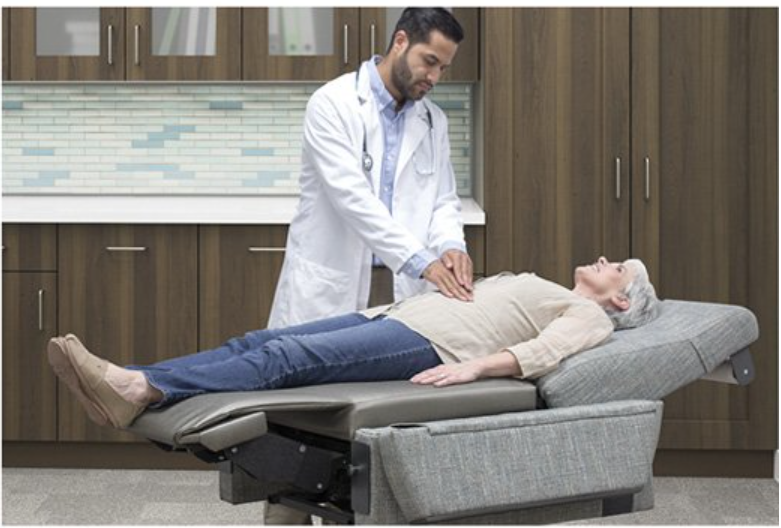
Healthcare facilities require specialized equipment to ensure the comfort, safety, and efficiency of both patients and staff. Among these, ergonomic furniture has emerged as a critical component in modern medical environments.
Leading healthcare furniture companies in UAE have been designing furniture that combines functionality with human-centered design, enabling hospitals, clinics, and rehabilitation centers to operate smoothly while prioritizing well-being.
Ergonomic healthcare furniture not only supports patient comfort but also reduces strain and fatigue for medical professionals, enhancing the overall healthcare experience.
Enhancing Patient Comfort and Recovery
One of the most significant advantages of ergonomic healthcare furniture is its impact on patient comfort and recovery. Adjustable hospital beds, reclining chairs, and specialized examination tables are designed to accommodate various patient needs. Proper support reduces the risk of bedsores, improves circulation, and promotes restful positioning, all of which accelerate recovery.
For patients with limited mobility, features such as height-adjustable beds and easy-to-reach handrails enhance independence and safety. By investing in ergonomically designed furniture, healthcare providers demonstrate a commitment to patient-centered care, fostering trust and satisfaction.
Reducing Staff Fatigue and Improving Efficiency
Medical staff often spend long hours performing physically demanding tasks. Ergonomic chairs, workstations, and mobile trolleys are designed to minimize physical strain, improve posture, and reduce the risk of musculoskeletal injuries. Comfortable and well-designed furniture helps healthcare professionals focus on patient care rather than enduring discomfort.
For instance, adjustable nurses’ workstations allow staff to alternate between sitting and standing, reducing fatigue during long shifts. Mobile ergonomic carts ensure essential equipment is accessible without repetitive lifting, promoting efficiency and productivity.
Optimizing Space Utilization
Modern healthcare facilities often face space constraints. Ergonomic furniture designs incorporate compact layouts and multipurpose functionalities, enabling effective use of available space. Foldable chairs, stackable stools, and modular storage solutions allow medical facilities to adapt to changing needs without compromising patient comfort or operational efficiency.
Safety and Infection Control
Ergonomic furniture also supports safety and hygiene protocols. Materials are often easy to clean, resistant to microbial growth, and compliant with infection control standards. Smooth surfaces, anti-slip bases, and rounded edges minimize accidents and cross-contamination risks, protecting both patients and staff.
By incorporating ergonomically designed, easy-to-clean furniture, hospitals and clinics maintain high safety standards while streamlining sanitation procedures, which is especially crucial in intensive care units, operating theaters, and pediatric wards.
Long-Term Cost Efficiency
While ergonomic healthcare furniture companies in UAE may initially require a higher investment, it offers long-term financial benefits. Durable materials, adaptable designs, and multipurpose functionality reduce replacement frequency and maintenance costs. By minimizing staff injuries and patient complications, healthcare facilities also save on insurance and operational expenses.
Additionally, ergonomic furniture enhances workflow efficiency, reducing time spent adjusting or compensating for poorly designed equipment. This ensures resources are used more effectively, delivering higher returns on investment over time.
Supporting Rehabilitation and Therapy
Specialized ergonomic furniture plays a crucial role in rehabilitation centers and physiotherapy clinics. Adjustable treatment tables, supportive seating, and mobility-friendly designs facilitate therapy sessions and patient exercises. Proper ergonomics prevents strain and enables therapists to focus on effective treatment techniques.
By providing comfort and functional support, such furniture encourages patient participation in rehabilitation programs, accelerating recovery and improving overall therapy outcomes.
Encouraging Mental Well-Being
Comfortable and thoughtfully designed environments positively impact mental health. Patients in ergonomic chairs or beds experience reduced stress and anxiety, while medical staff benefit from reduced physical strain and a more organized workspace. Ergonomic healthcare furniture contributes to a calmer, more welcoming atmosphere that enhances both patient and staff satisfaction.
Technological Integration
Modern ergonomic healthcare furniture increasingly integrates technology. Some hospital beds feature electronic controls, built-in monitoring systems, and connectivity for patient data. Workstations can include integrated power sources, wireless charging, and adjustable interfaces, improving workflow and access to critical information.
Investing in smart ergonomic furniture enables healthcare providers to incorporate technology seamlessly into patient care, improving efficiency and responsiveness.
Sustainability and Eco-Friendly Options
Many leading healthcare furniture companies in UAE focus on sustainable and eco-friendly materials in their ergonomic designs. Using recyclable components and environmentally safe manufacturing processes aligns with global sustainability goals. Facilities can reduce their carbon footprint while offering patients and staff a healthier environment.
Continued Benefits Over Time
Even after years of use, ergonomic furniture continues to deliver value. Adjustable beds and chairs retain their functional flexibility, modular storage solutions remain adaptable, and durable materials withstand heavy usage. This ensures that hospitals and clinics maintain optimal performance and patient care standards without frequent replacements or extensive renovations.
Table: Key Features of Ergonomic Healthcare Furniture
This table highlights the multiple ways ergonomic healthcare furniture enhances operational efficiency, safety, and well-being.
| Feature | Benefit |
| Adjustable Beds | Improve patient comfort and recovery |
| Ergonomic Chairs | Reduce staff fatigue and musculoskeletal issues |
| Modular Storage | Optimize space utilization and organization |
| Easy-to-Clean Surfaces | Maintain hygiene and infection control |
| Integrated Technology | Streamline workflow and patient monitoring |
Choosing the Right Ergonomic Furniture
Selecting high-quality ergonomic healthcare furniture requires evaluating key factors such as durability, adaptability, ease of cleaning, and comfort for both patients and staff. Furniture should withstand frequent use, accommodate diverse needs, and integrate smoothly into clinical workflows.
Ease of maintenance and hygiene is essential to support infection control and long-term usability. Prioritizing these features ensures each piece contributes to patient well-being, enhances staff efficiency, and delivers lasting value, supporting a safe, comfortable, and productive healthcare environment.
Conclusion
Investing in ergonomic healthcare furniture companies in UAE is a strategic decision that benefits patients, medical staff, and healthcare facilities alike. From improving comfort and safety to optimizing workflow and integrating technology, these solutions support both operational efficiency and patient-centered care.
By selecting high-quality ergonomic furniture, hospitals and clinics can reduce long-term costs, enhance satisfaction, and create a healthier, more productive environment.
For institutions seeking trusted solutions, Humanspace offers a range of ergonomic furniture options designed for modern healthcare needs. Their commitment to quality, innovation, and human-centered design ensures that every piece contributes to better care, improved workflow, and lasting durability, making them a preferred choice for healthcare facilities looking to invest wisely in patient and staff well-being.